A patient reviewing her CBCT scan and an implant model with a clinician
HomeDental Implants

A tooth that is attached to you again.

Not a better denture. A titanium root fused into your jaw, planned and placed by the same board-certified prosthodontist.

Over 95%Published implant success rate
5-YearWarranty on implant procedures
FreeSecond opinion on implant surgery
The Anatomy

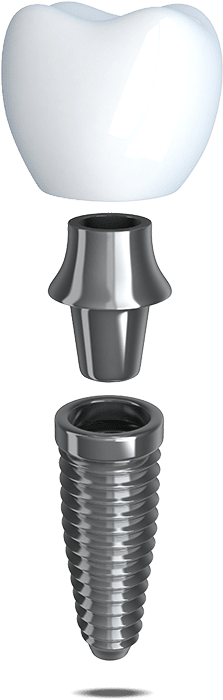
Three parts. One of them is yours within four months.

Bone grows onto the titanium post and locks it in place. That middle step, roughly four months, is the reason implants do not slip, rub or need adhesive.

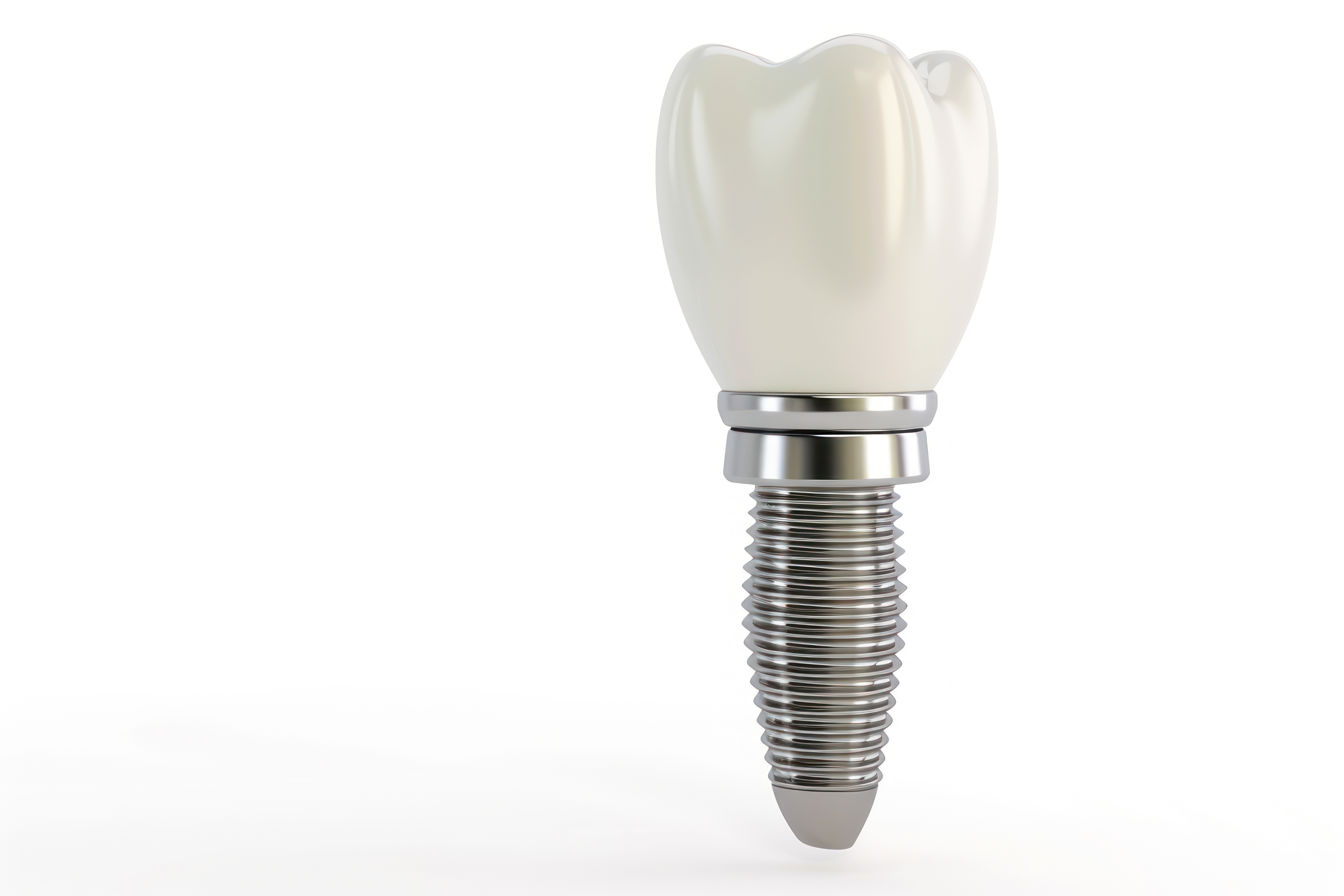
A titanium implant post placed in the jaw
The postTitanium, into the bone
An abutment and crown on an implant post
The abutmentAbove the gum
The restorationYour shade, your bite

Which is why planning matters more than placing. A post in the wrong position integrates just as firmly as one in the right position, and then the tooth on top of it can never be right. The specialist behind the plan

Your Options

One tooth, several teeth, or all of them.

These four cover almost every case that walks in.

01

Single Implant

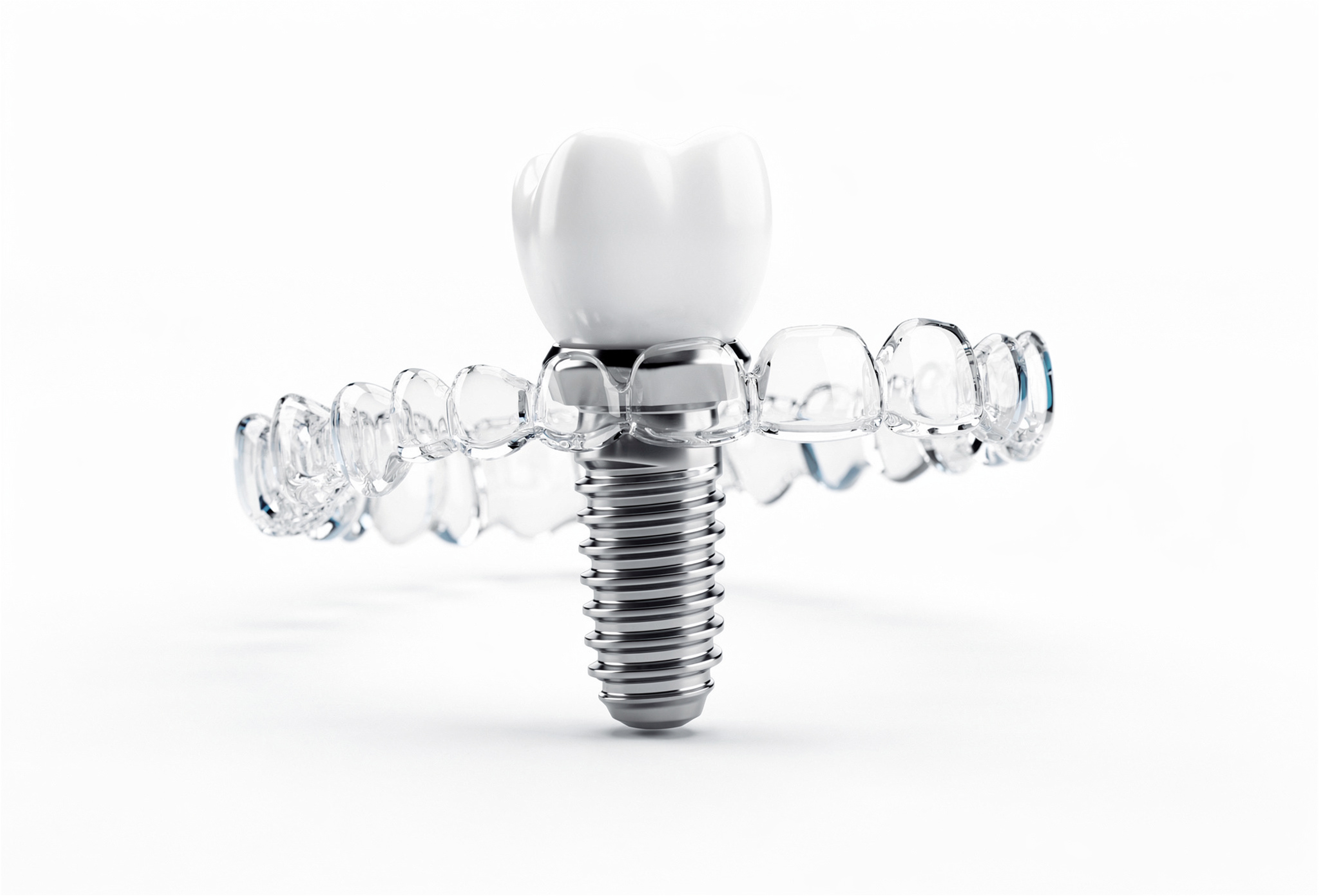
One post, one crown. The right answer for a tooth lost to impact or fracture, where the teeth either side are healthy and should be left alone.

02

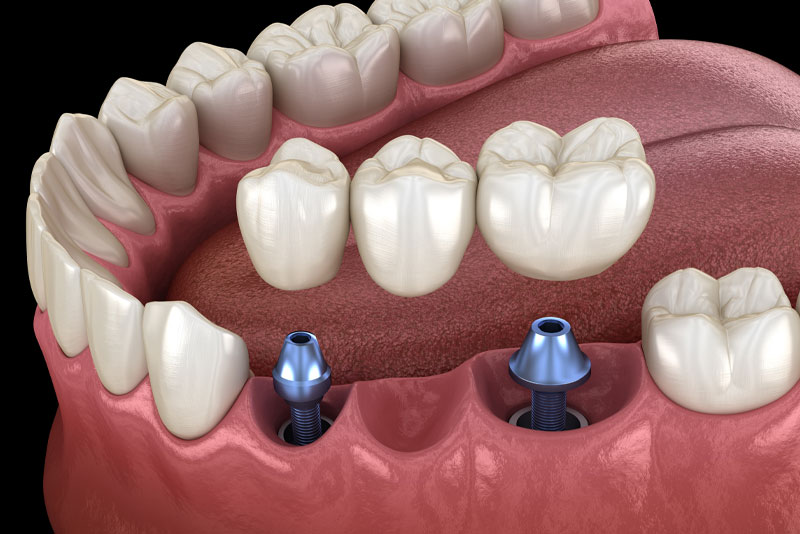
Implant-Supported Bridge

Two implants carry a span of teeth between them, without putting the load on the natural teeth beside the gap.
03

Implant-Supported Dentures

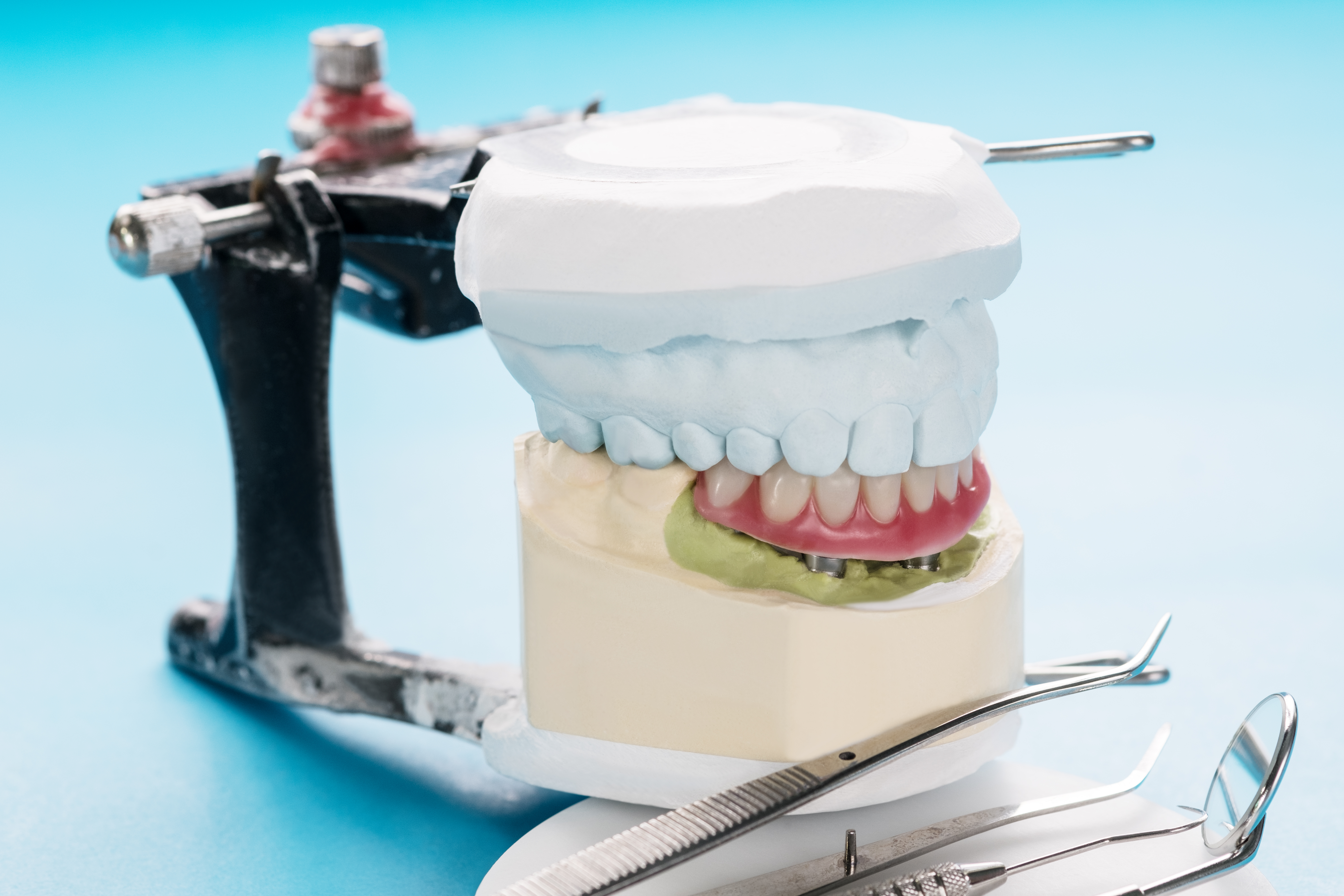
A denture that clips onto implants instead of resting on gums. The pressure moves off the tissue and onto the bone.

Fixed vs. removable
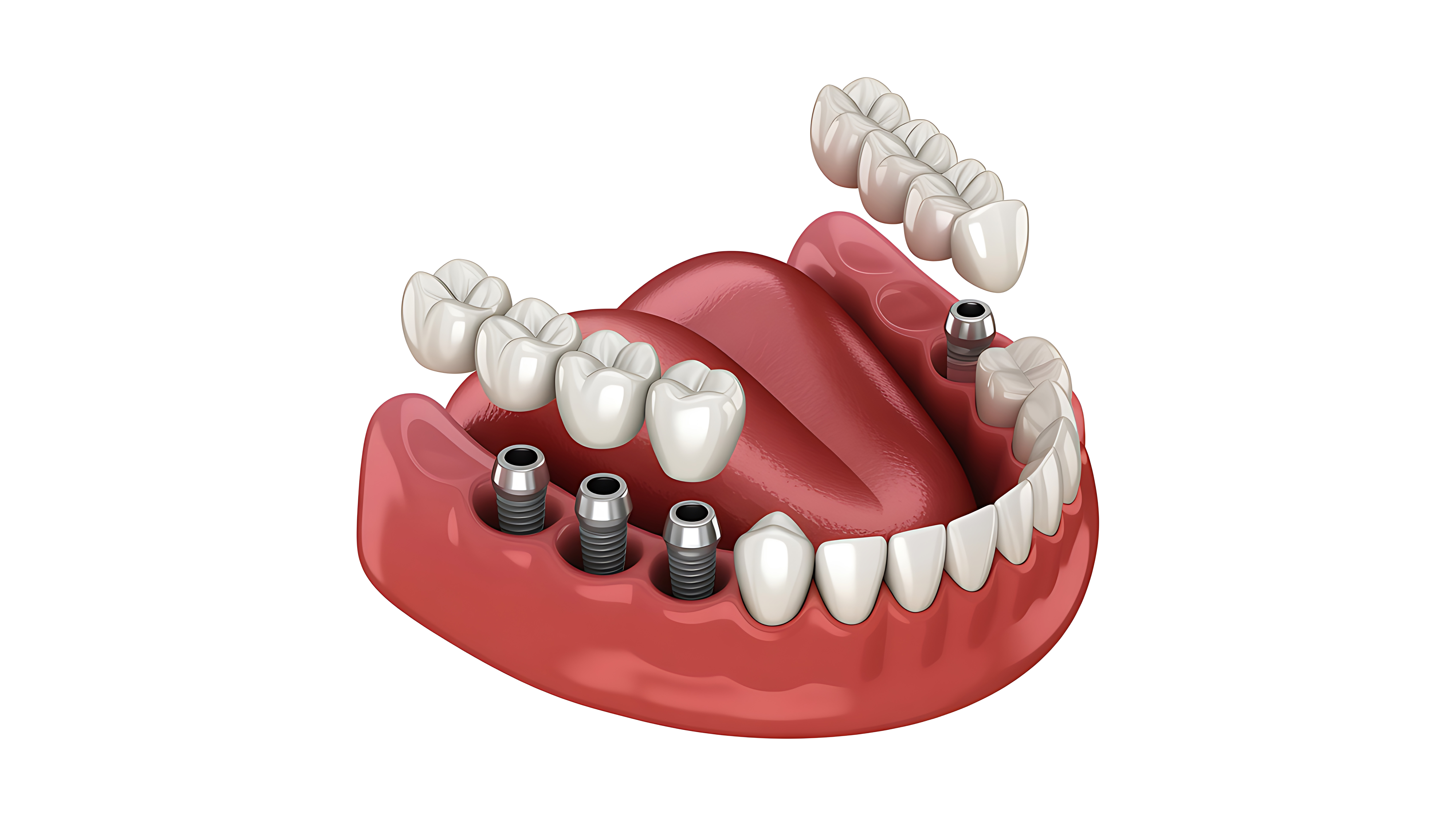
04

Full-Arch Implants

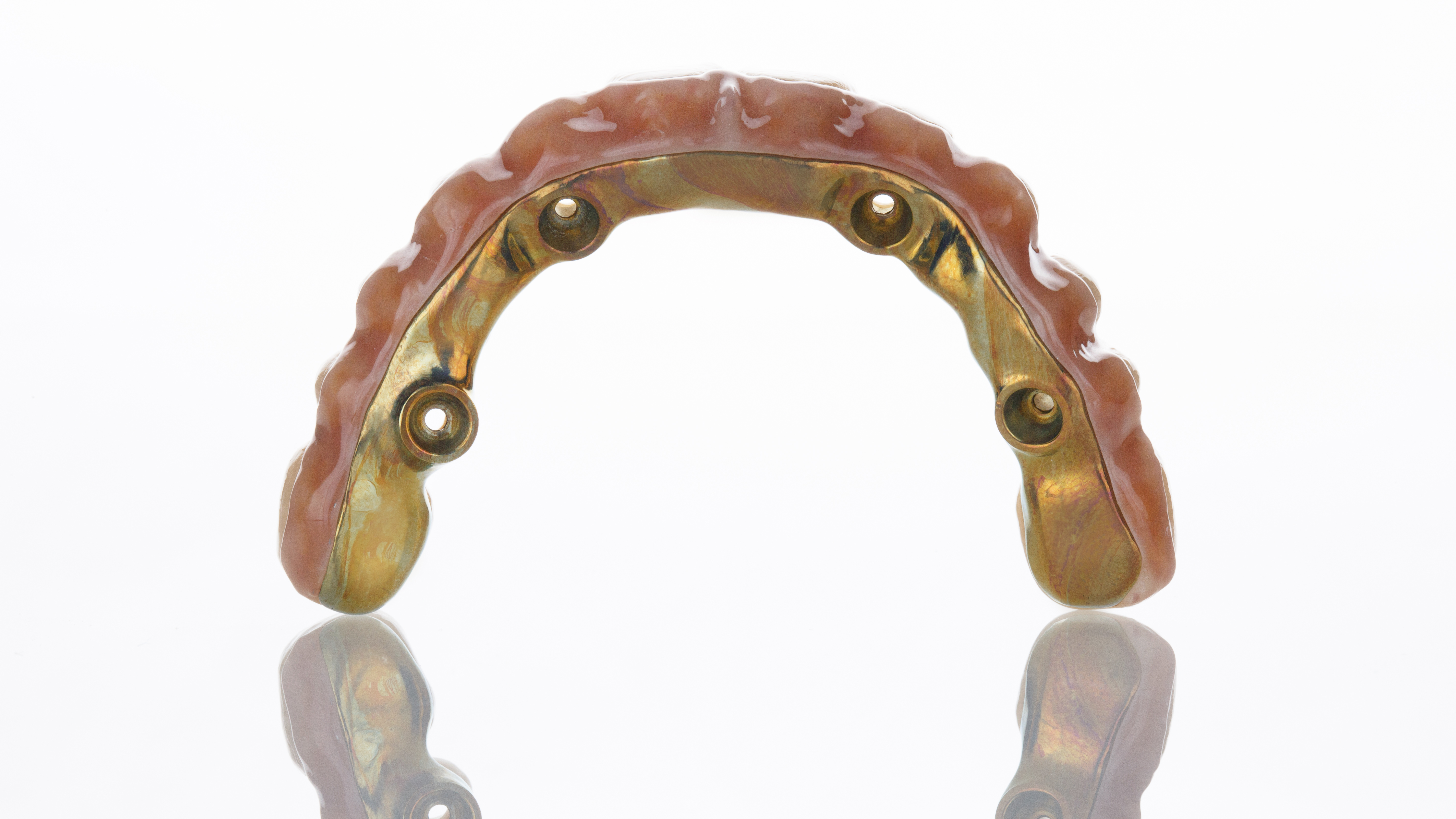
Zirconia, screwed down, not removed at night. Planned as a thin FP1 arch, without the bulky pink base, wherever the bone allows.

FP1 against FP3
The Process

What actually happens, and when.

A few months to over a year, depending on whether bone has to be rebuilt first.
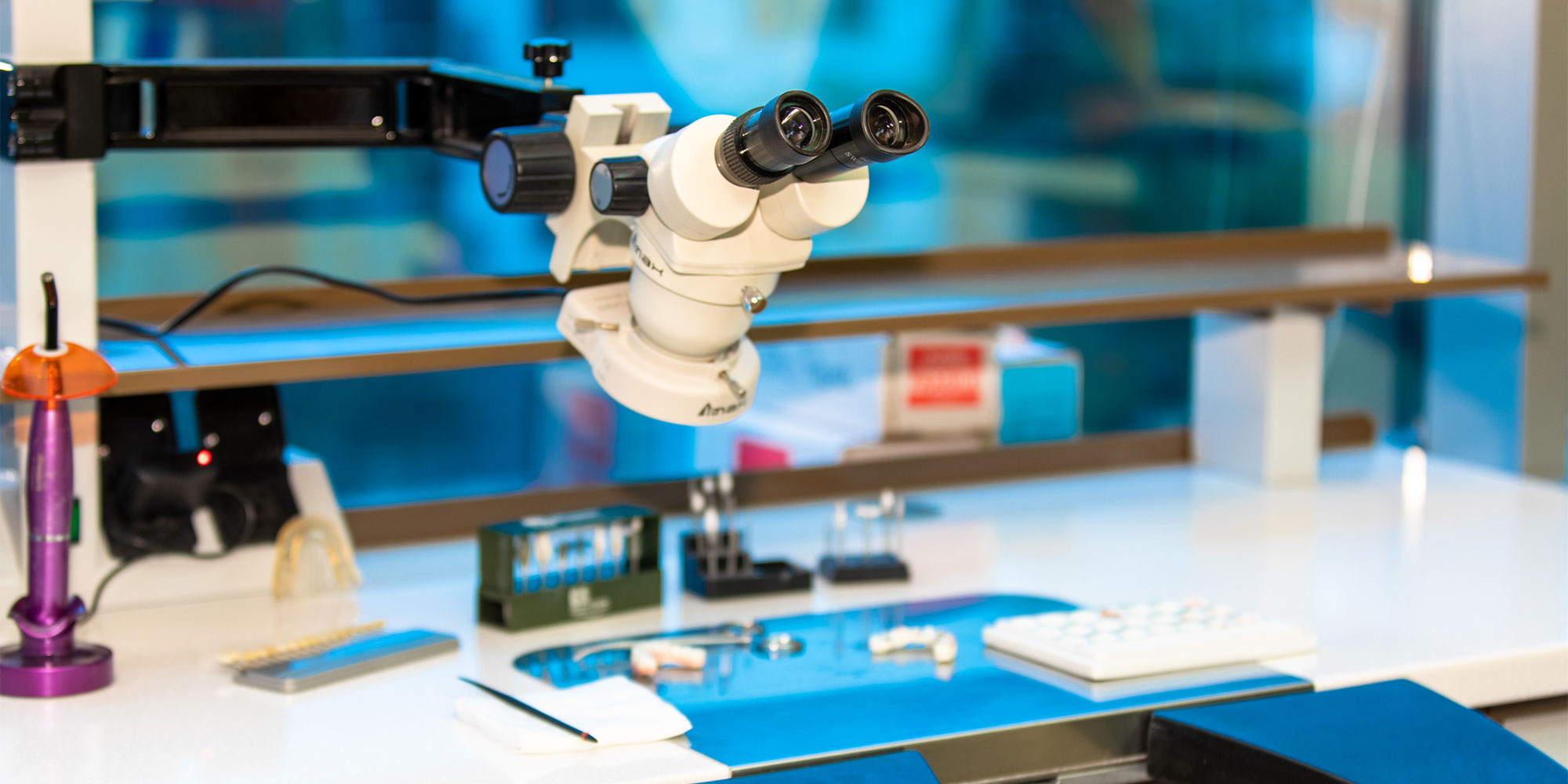
The bench and stereo microscope in the practice's in-house laboratory01

Consultation & 3D scan

The scan shows the bone you actually have. You leave knowing whether you are a candidate, what it costs, and how long it takes.
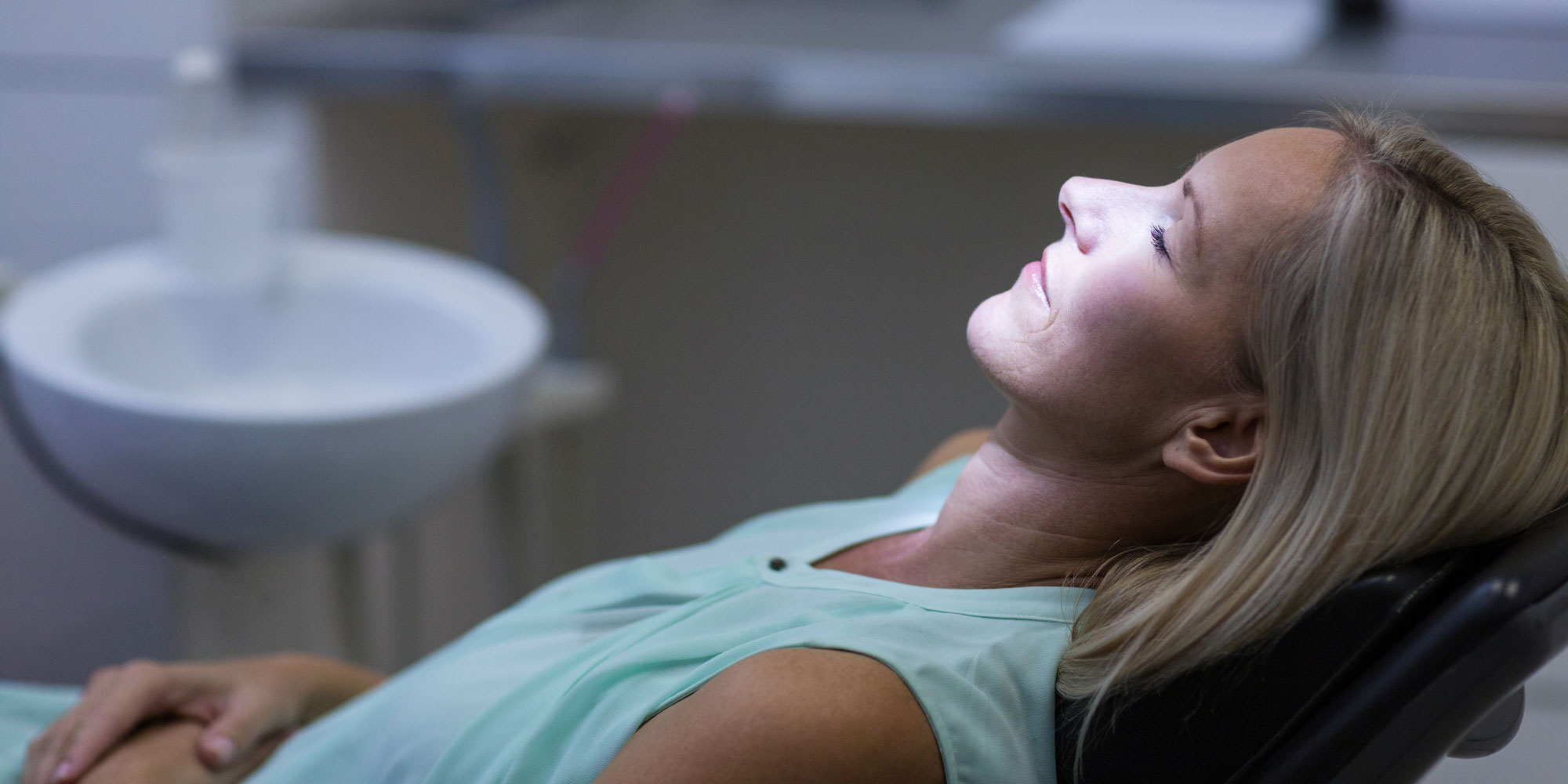
A patient resting with her eyes closed in the chair under sedation02

Surgery, in one visit

Often a few hours, through a guide built from your scan, under sedation. Most patients have no memory of the appointment.
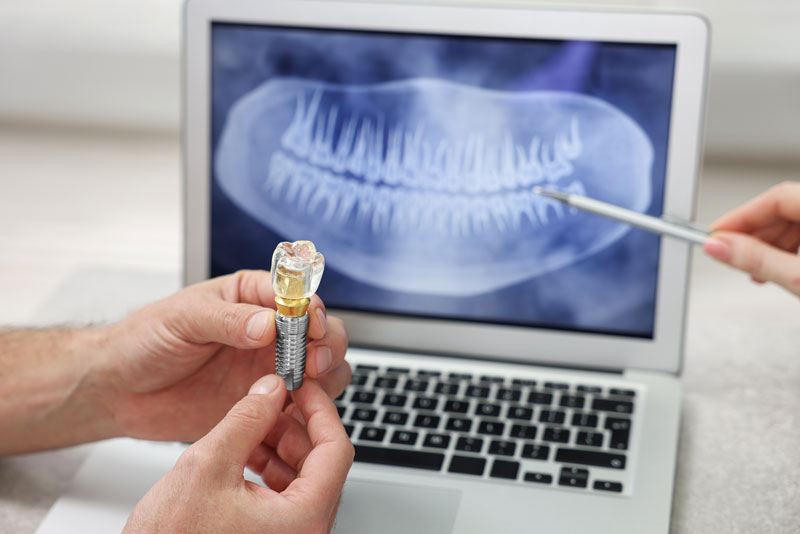
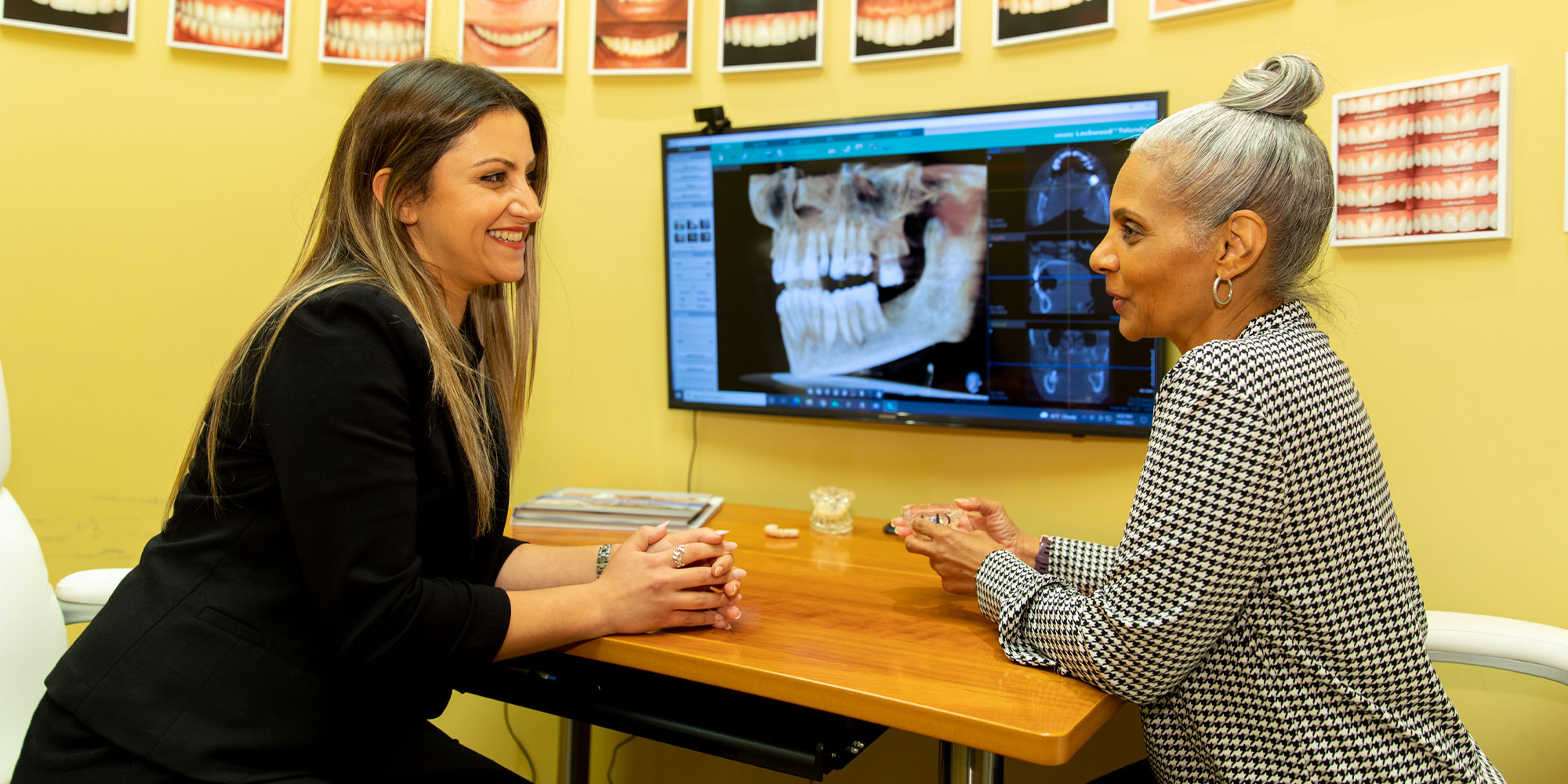
A clinician showing a patient their X-ray beside an implant model03

Integration: about four months

Bone grows onto the posts. Back to normal within a week, soft foods while it fuses, and a temporary worn throughout.
04

Final teeth

Zirconia for full-arch work, shaped, shaded and bite-balanced by the specialist who planned it.

95%+Published success rate
4 moTypical integration
1 wkBack to normal activity
6 moHygiene visits, as before
A patient holding a framed photograph of his mouth before implant treatment
Fixed vs. Removable

Dentures rest on you. Implants are part of you.

Dentures sit on the gum and move: hence the rubbing, the adhesive, the food restrictions, and over years the bone loss that changes the shape of a face. An implant loads the bone instead of the tissue.
  • Permanently anchored: no slipping, no adhesive, no removal at night
  • Brushed and flossed like natural teeth; no separate care routine
  • Loads the jawbone, which limits recession and supports facial structure
  • Higher up front, lower over time: less repair, relining and replacement
  • Restorations resist decay, but still need six-month hygiene visits
Real Cases

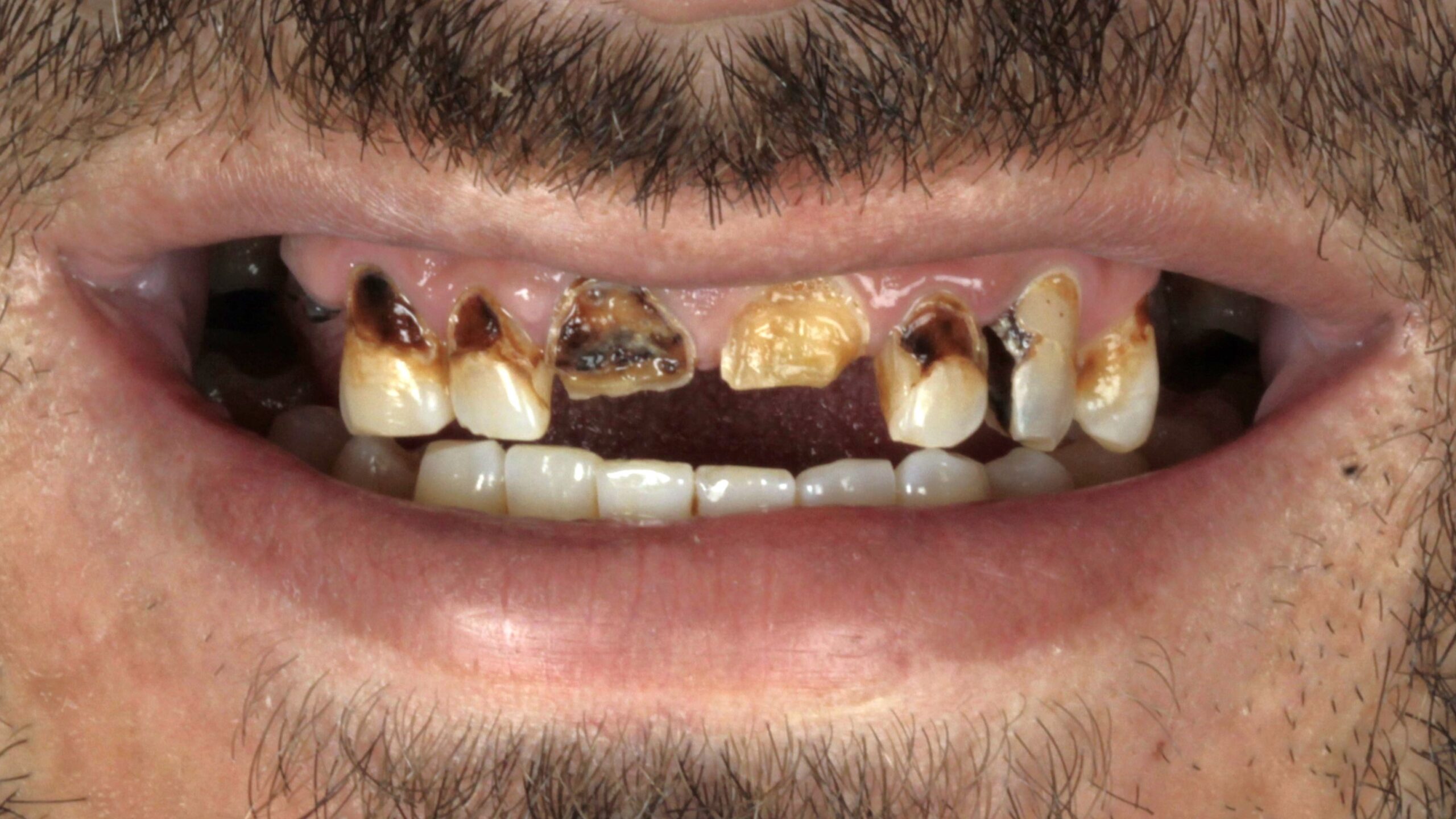
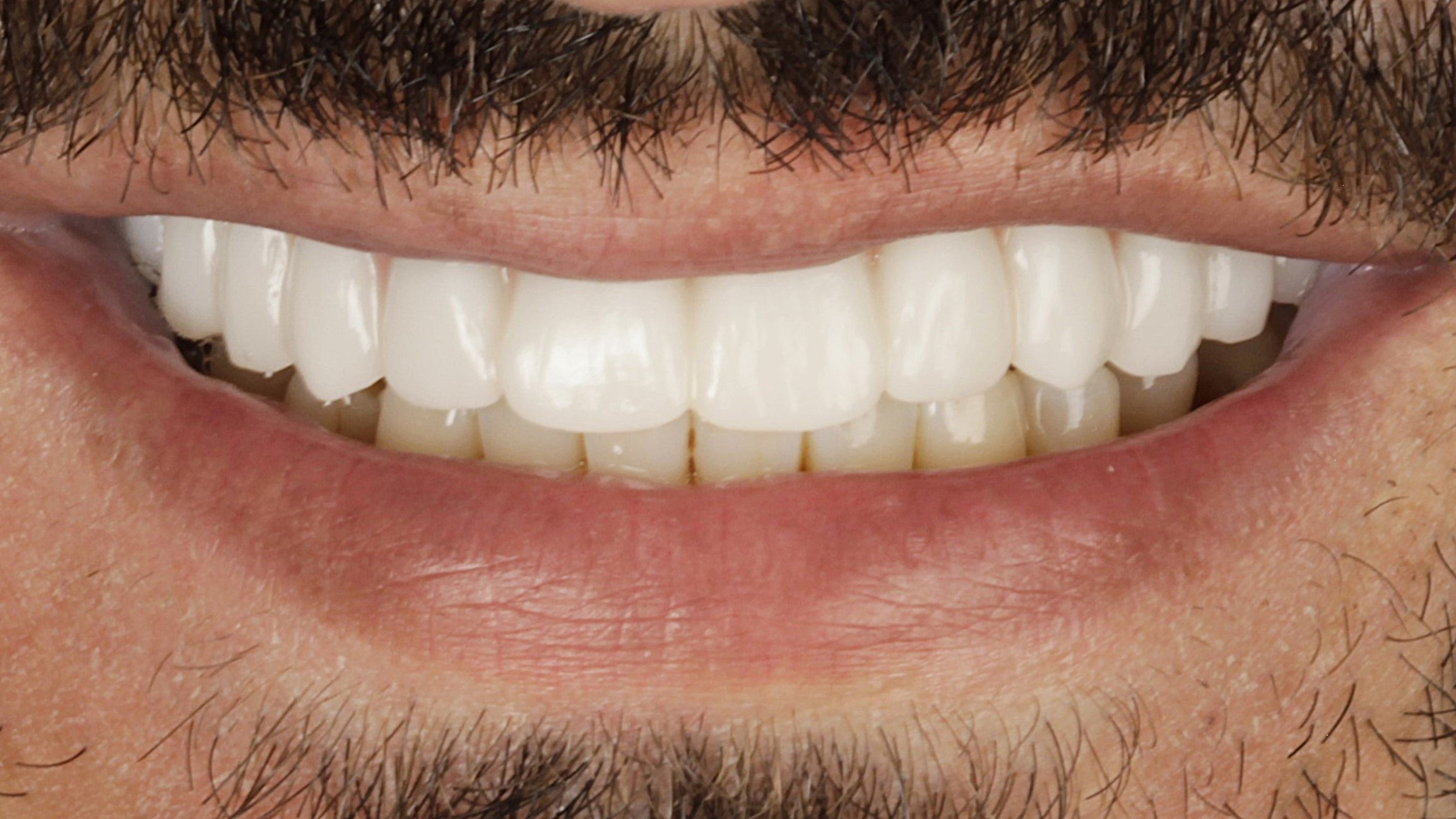
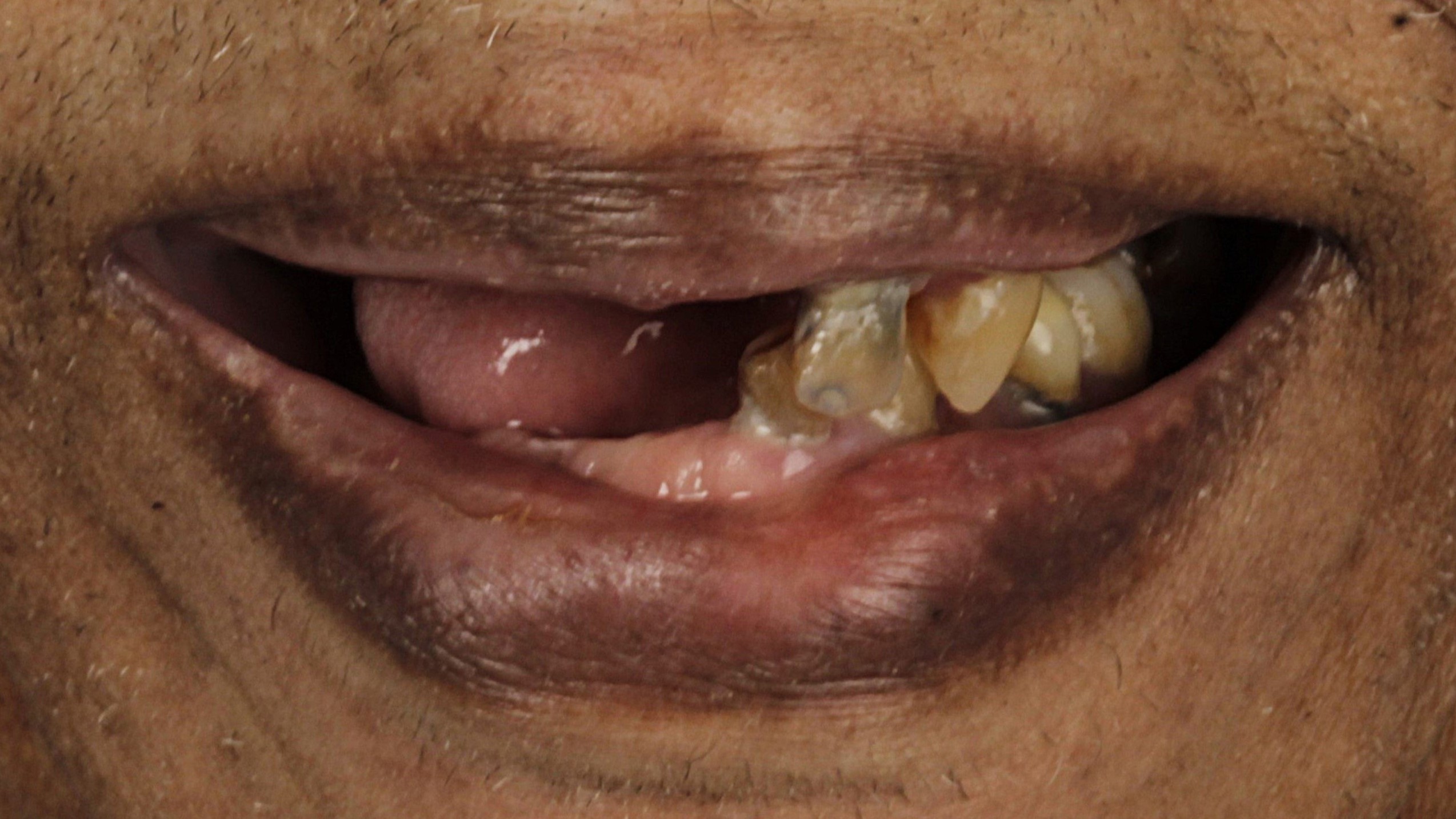
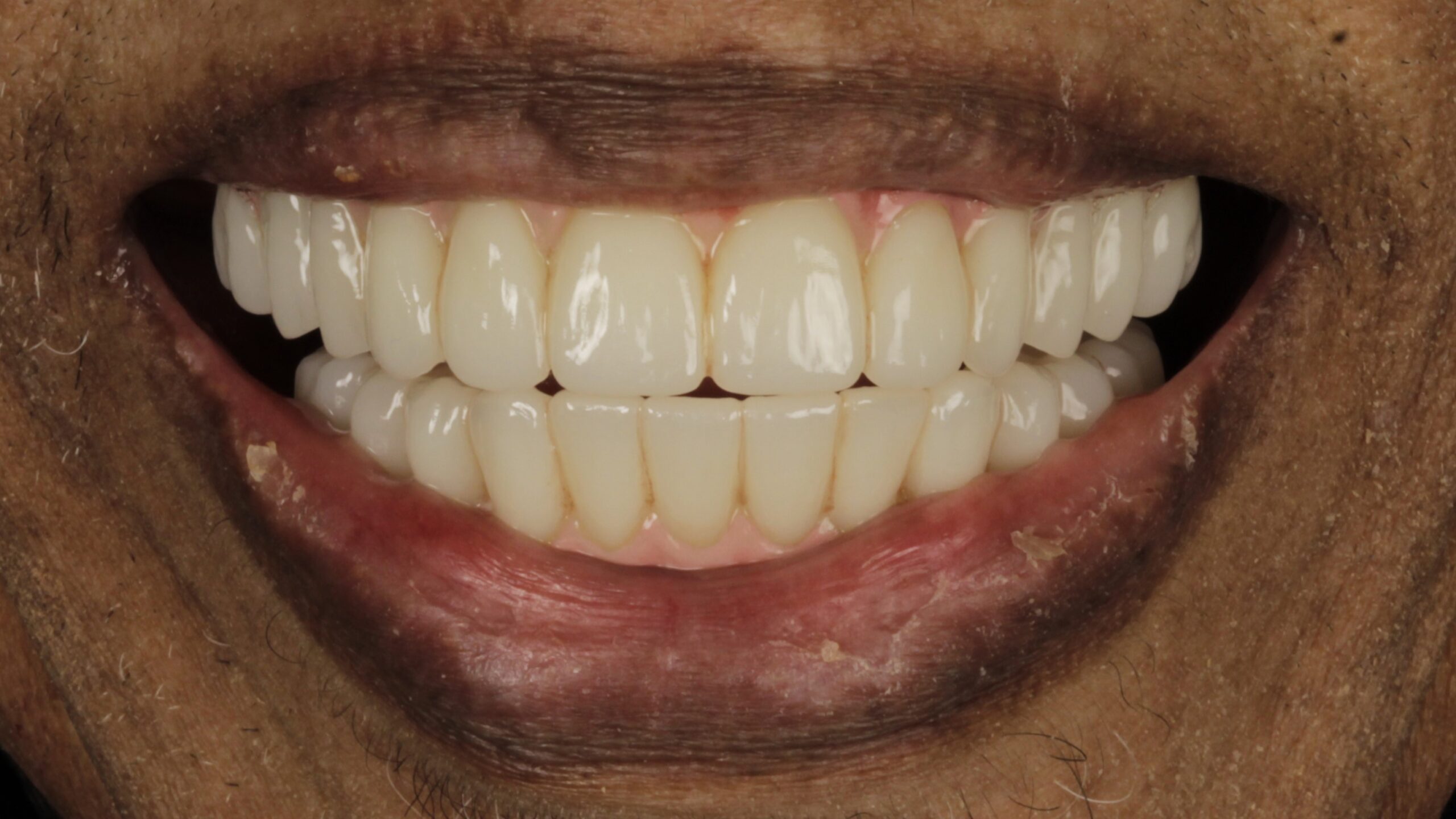
Drag the line. These are patients of this practice.

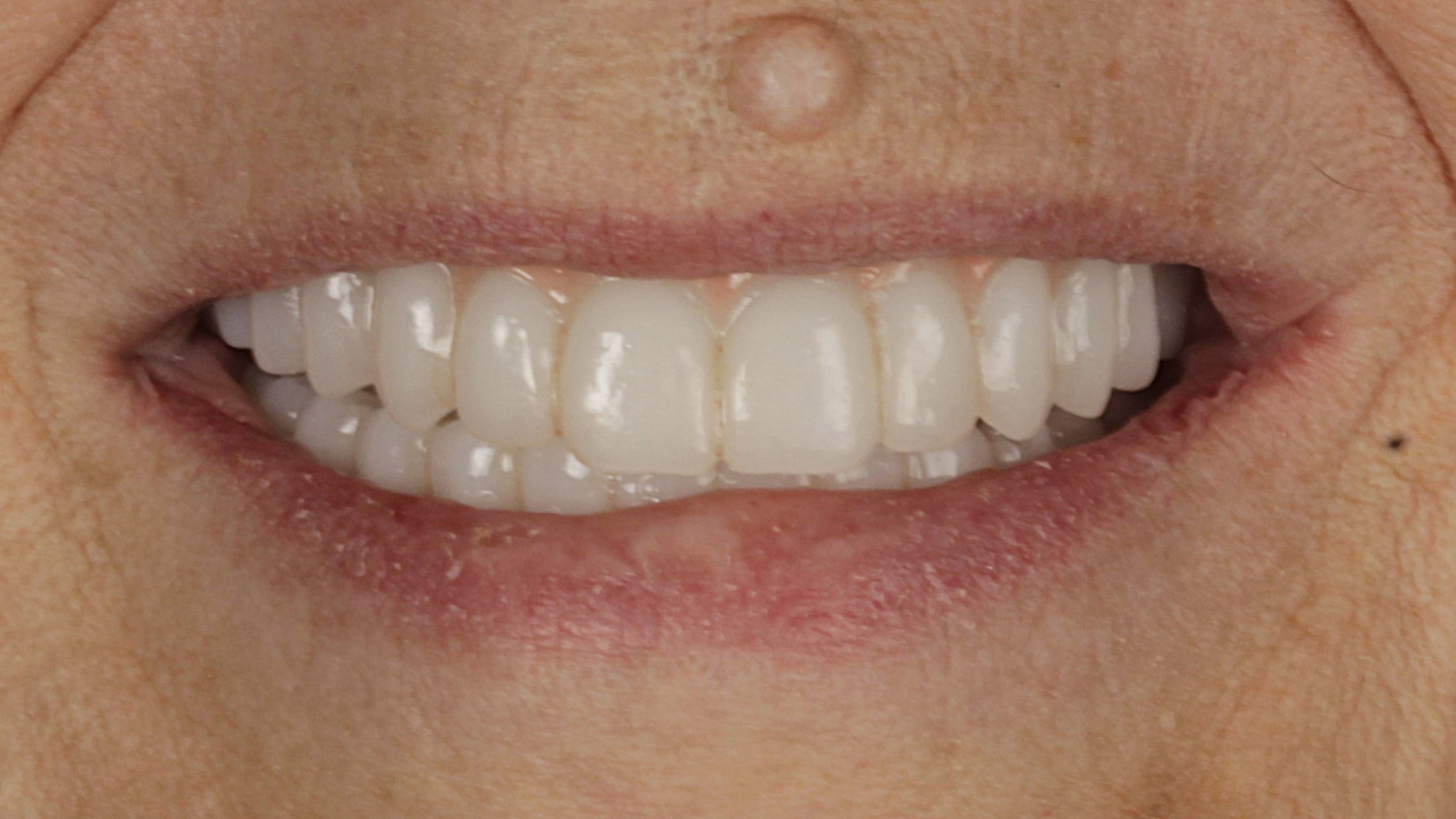
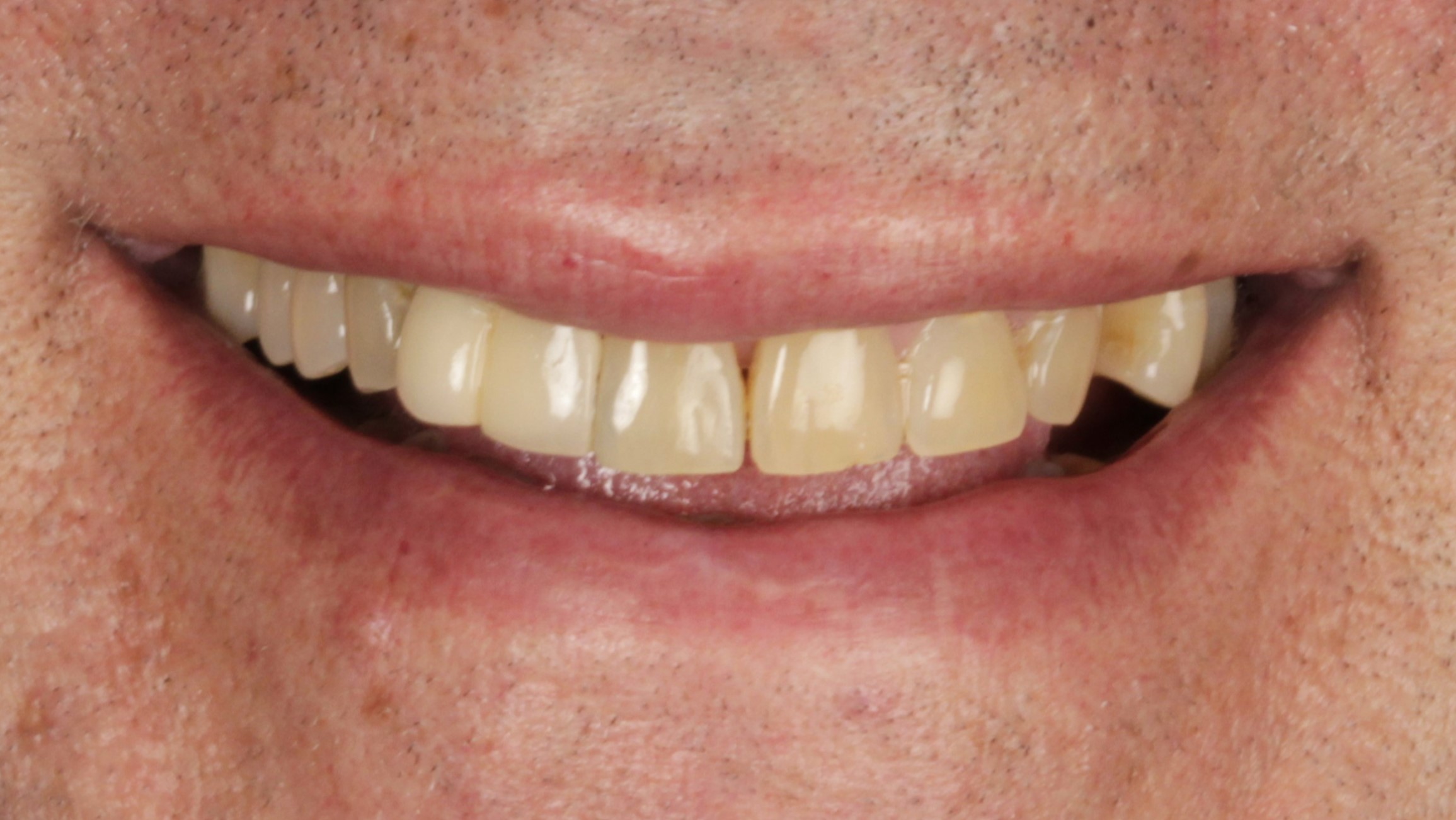
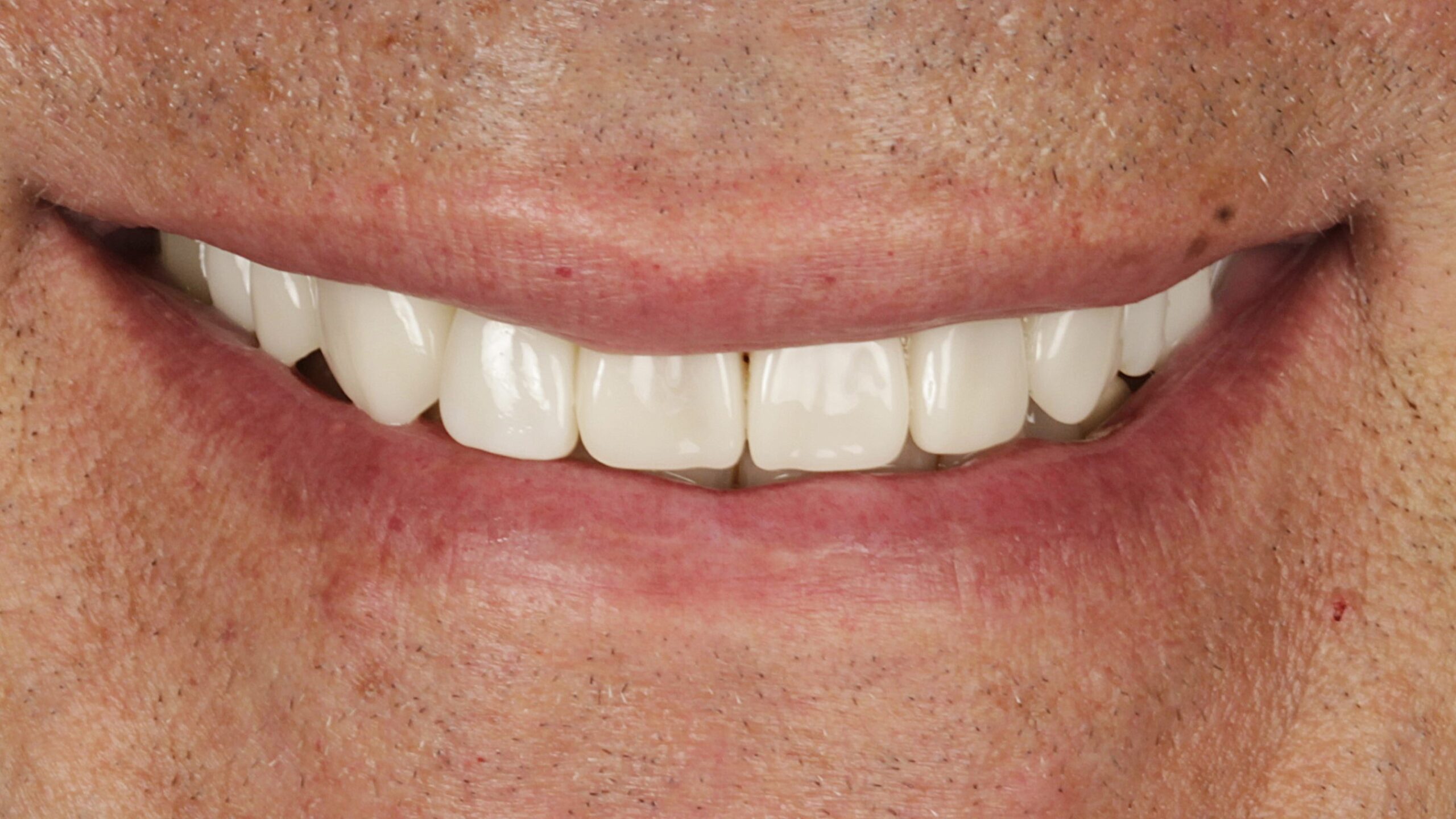
Before: veneers and implant restoration caseAfter: veneers and implant restoration caseBeforeAfter
Veneers combined with implant restoration
Before: single-arch implant restorationAfter: single-arch implant restorationBeforeAfter
Single arch restored on implants
Before: full-mouth implant reconstructionA completed full-arch implant restorationBeforeAfter
Both arches rebuilt on implants

Twenty-eight cases in the full gallery

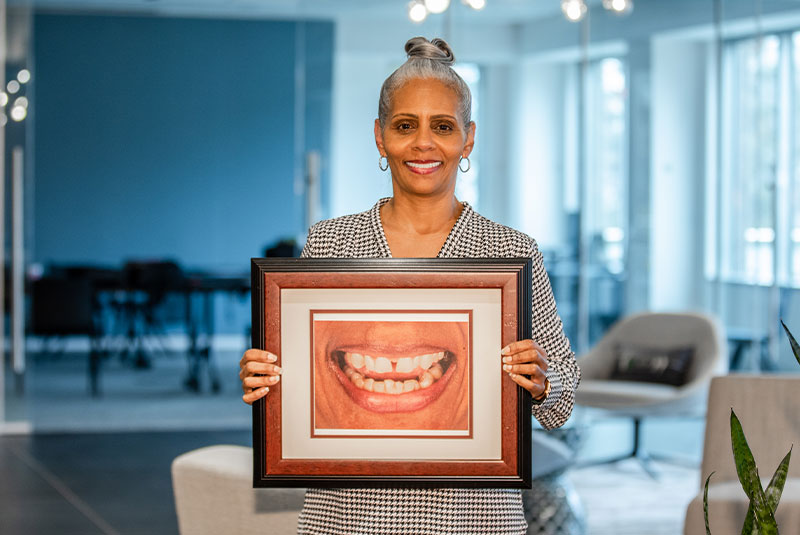
Yolanda holding a framed photograph of her smile before treatment
I haven’t stopped smiling since I got my dental implants.
Yolanda · implant patient

Watch her tell it

Questions

The ones people actually ask.

Will the surgery hurt?
Done under sedation. You feel nothing during it, and most patients have no memory of the appointment. Afterwards, minor discomfort that over-the-counter medication handles.
What is recovery like?
Rest for a few days. Most people are back to normal activity within a week. A soft-food diet is needed for the next several months while the implants integrate with the jawbone.
Am I a candidate?
Many patients already are. Others qualify after bone grafting or extractions. Candidacy is determined from a comprehensive consultation and a 3D scan, not guessed at.
How long do implants last?
They are designed to last decades, and can last the rest of your life. Surgical precision, materials and your own habits are what decide it. Implants have held a published success rate above 95% since they were introduced.
Do I still need check-ups?
Yes. Implant restorations resist decay, but the gum around an implant can still develop peri-implantitis from plaque and tartar. Brush twice daily, floss once, and keep the six-month hygiene appointments.
What does it cost?
It depends on how many teeth are missing, how long for, the materials, and whether anything has to be rebuilt first. Claims are filed on your behalf. What drives the cost

Find out if you’re a candidate.

The 3D scan, and a straight answer, before you commit to anything.