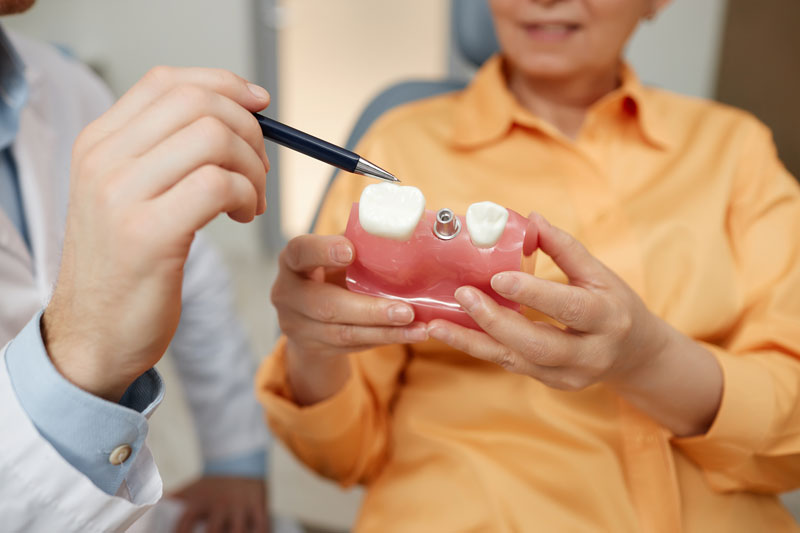
 01 · Extraction
Tooth extraction
The tooth is eased out without disturbing healthy bone or gum, which matters enormously if anything is going back in the space later. Wisdom teeth are the more complex form.

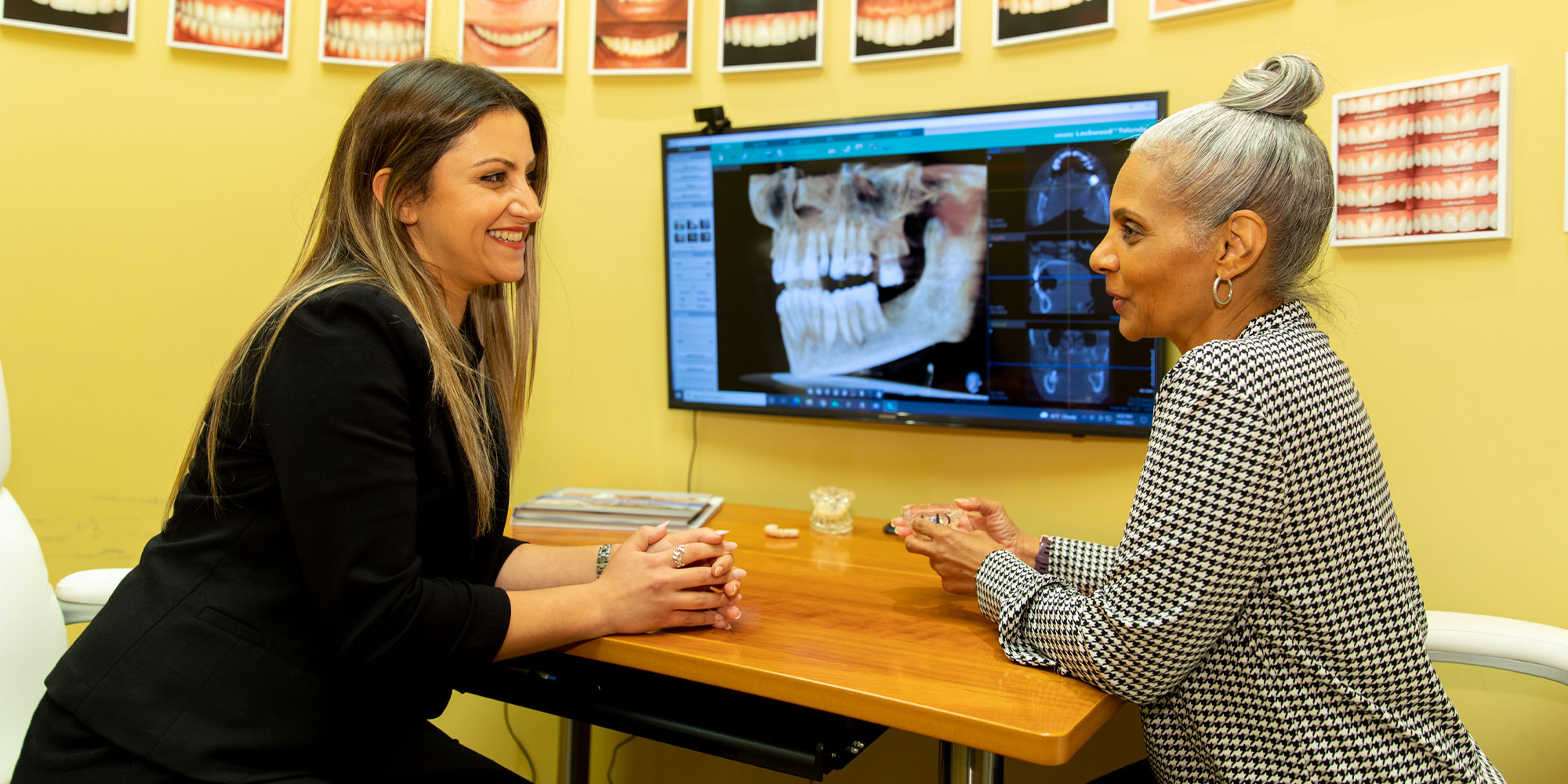
Extractions, bone grafting and implant placement, done in this building by the specialist who will also restore the tooth afterwards.
Elsewhere the extraction goes to a surgeon and the replacement to somebody else. Between them sits a handover, and the handover is where the plan gets lost.
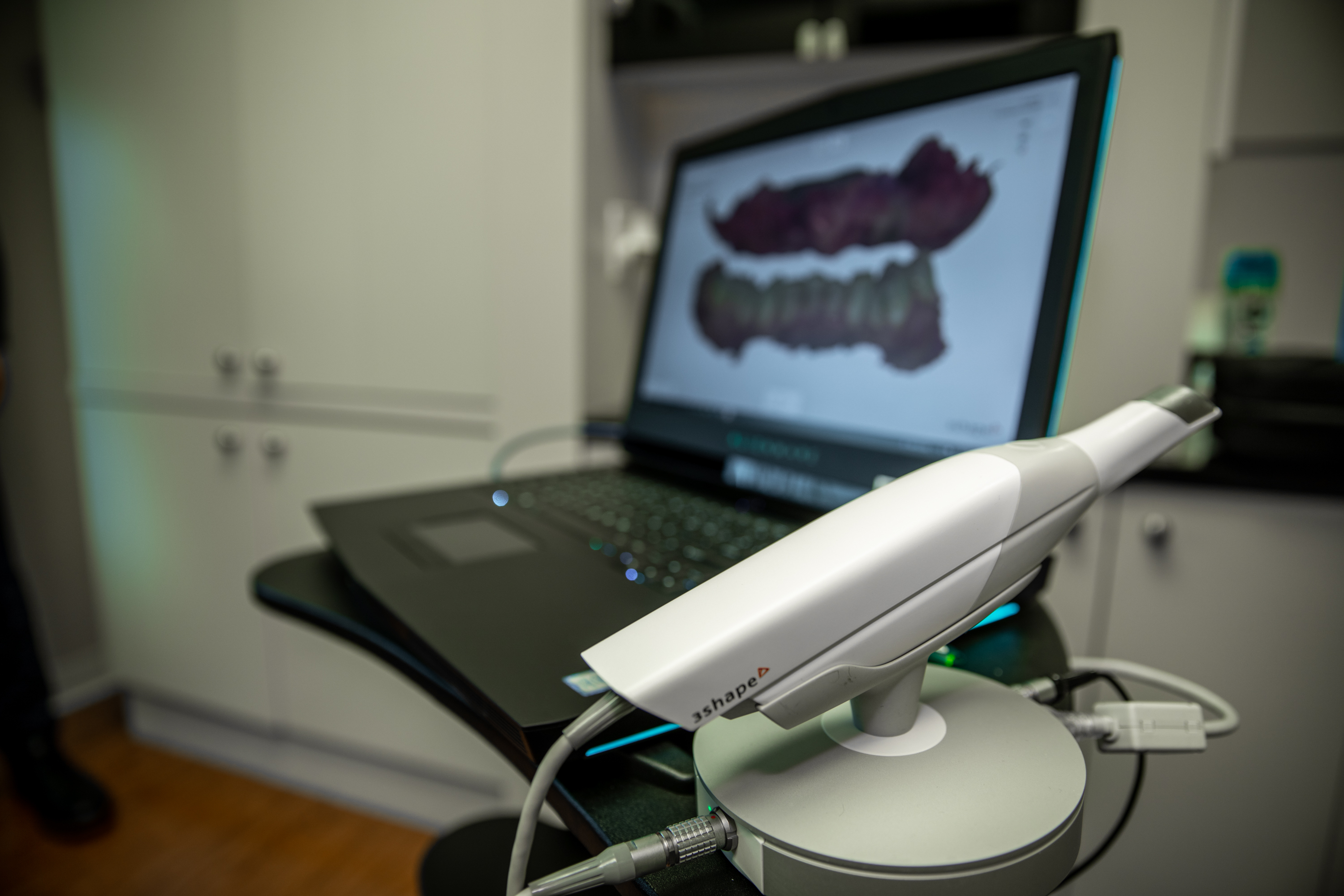
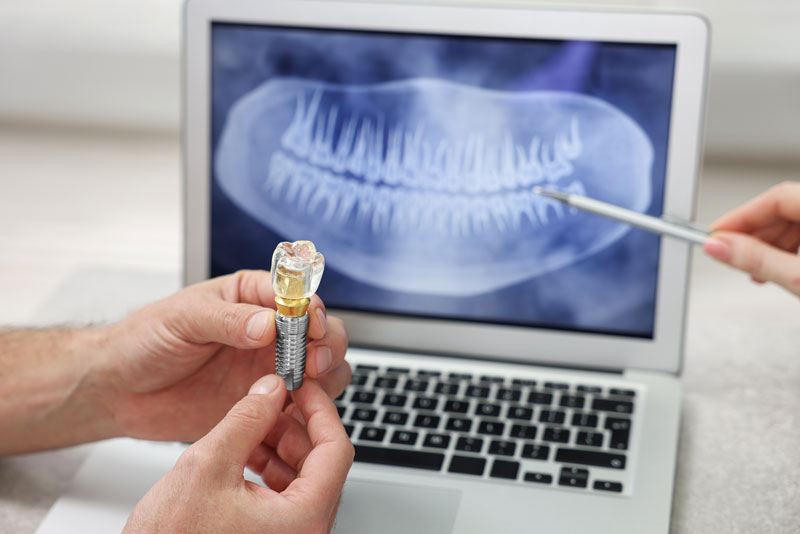
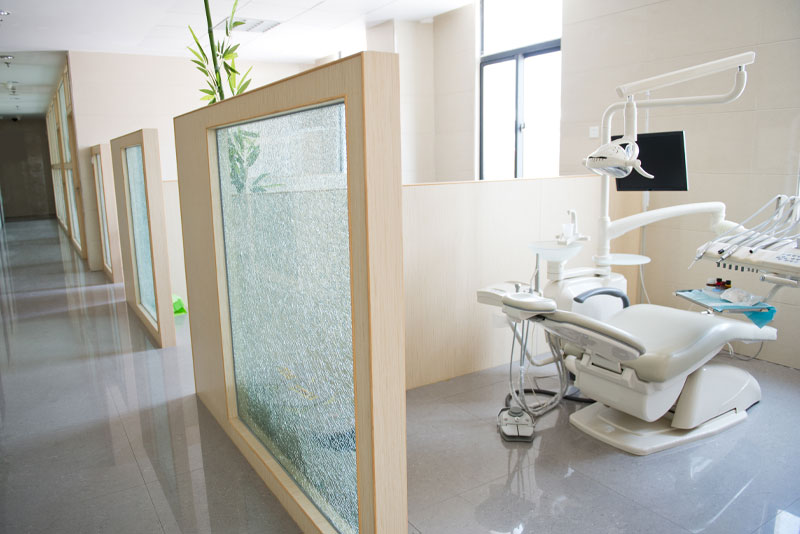

Each one done here, kept minimally invasive by the technology used to plan it.
01 · ExtractionThe tooth is eased out without disturbing healthy bone or gum, which matters enormously if anything is going back in the space later. Wisdom teeth are the more complex form.
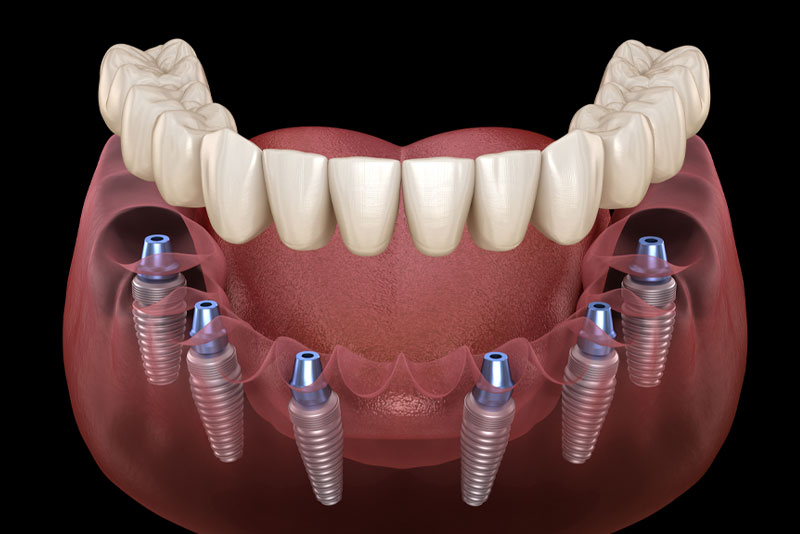 02 · Grafting
Bone loss after a missing tooth is ongoing, not one-off, and has to be treated before an implant has anything to hold on to. Placed, sutured, and left a few months to integrate.
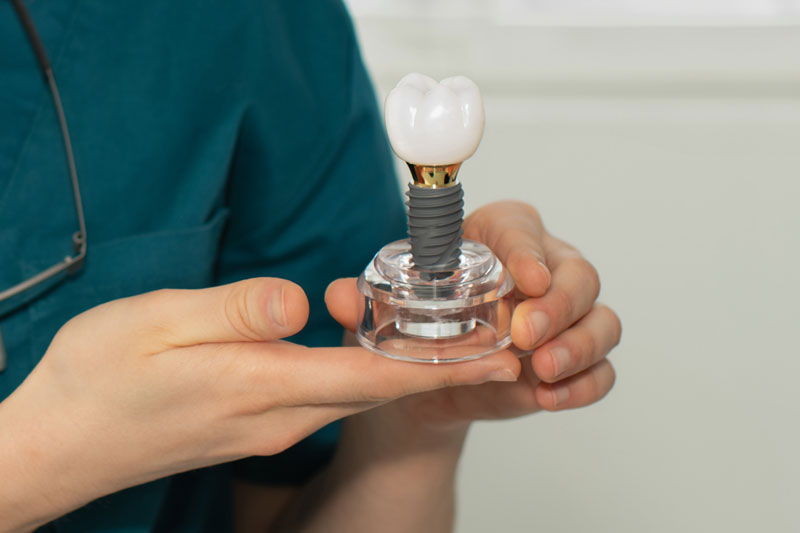 03 · Placement
The post is placed into the jawbone to anchor a new tooth or a full set. CT-guided placement makes it precise, and qualifying patients leave with a temporary the same day.
Implants in full
The practice does not pretend otherwise. What it does is remove the reasons the fear is usually justified.

IV sedation has to be arranged. It is worth asking for at the consultation, not on the day.
Get the whole sequence explained before any of it starts, including what happens afterwards.