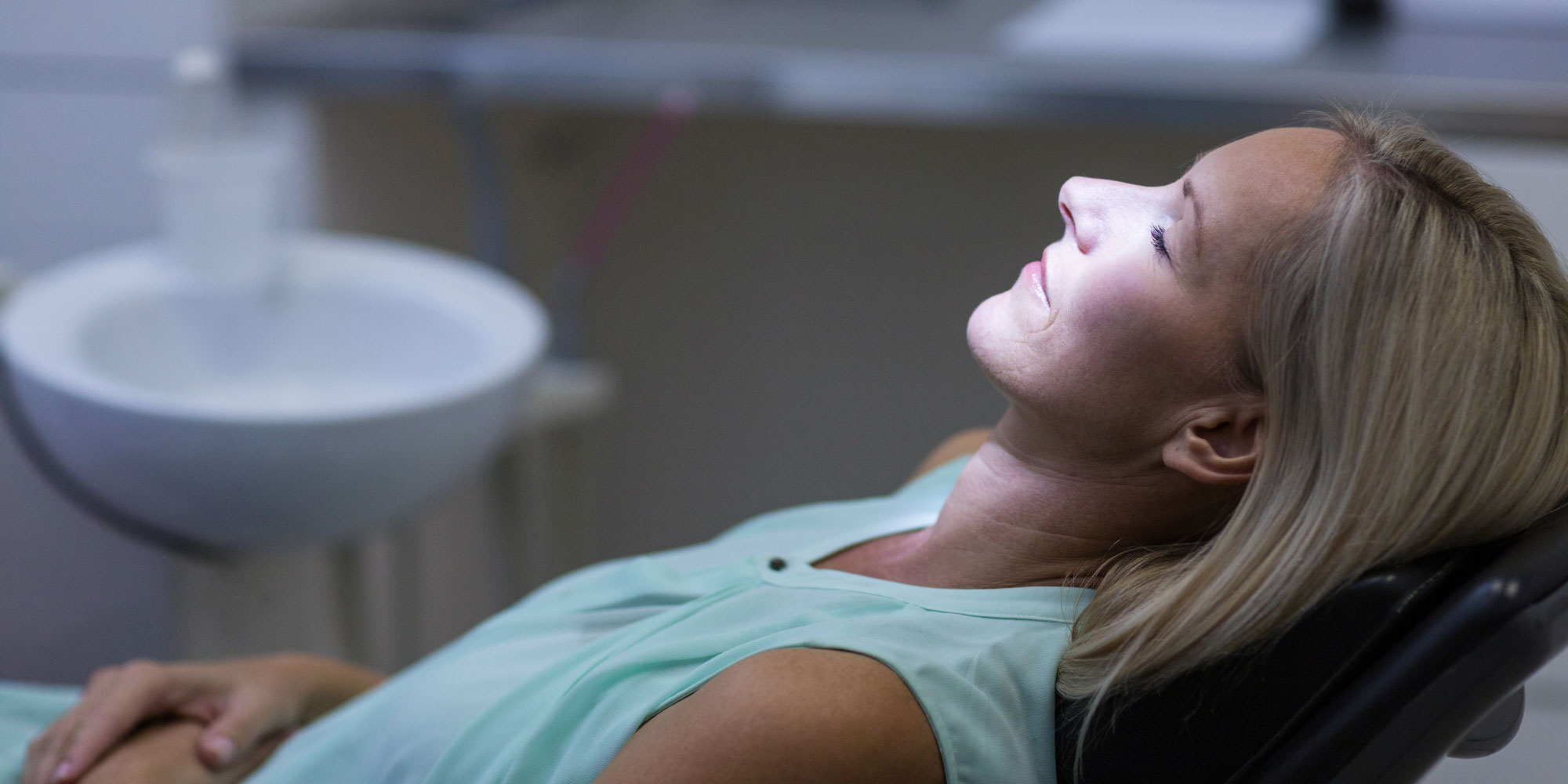
A patient resting with her eyes closed in the chair under sedation
HomeSedation Dentistry

Long appointments that pass in what feels like minutes.

Sedation is what turns hours of full-arch surgery into something you do not remember, and what makes one sitting possible instead of five.

IV certifiedSedation certificate held
AnaesthesiologistPresent for oral and IV cases
3 levelsNitrous, oral and IV
Who It Is For

Avoiding the chair has a medical cost of its own.

Gum disease and other oral disease are associated with raised risk of diabetes, stroke and cardiovascular disease. Postponing treatment out of fear is a decision with consequences beyond the mouth. Worth asking about if any of these are true:

  • The dentist’s chair frightens you, or has done since childhood
  • You have a strong or unpredictable gag reflex
  • You have a low tolerance for pain
  • You need several treatments, or a surgery that will take hours
  • You have been putting off care you know you need
The Options

Three levels, chosen to the case and to you.

Oral and IV sedation are administered by a medical anaesthesiologist.

Mildest

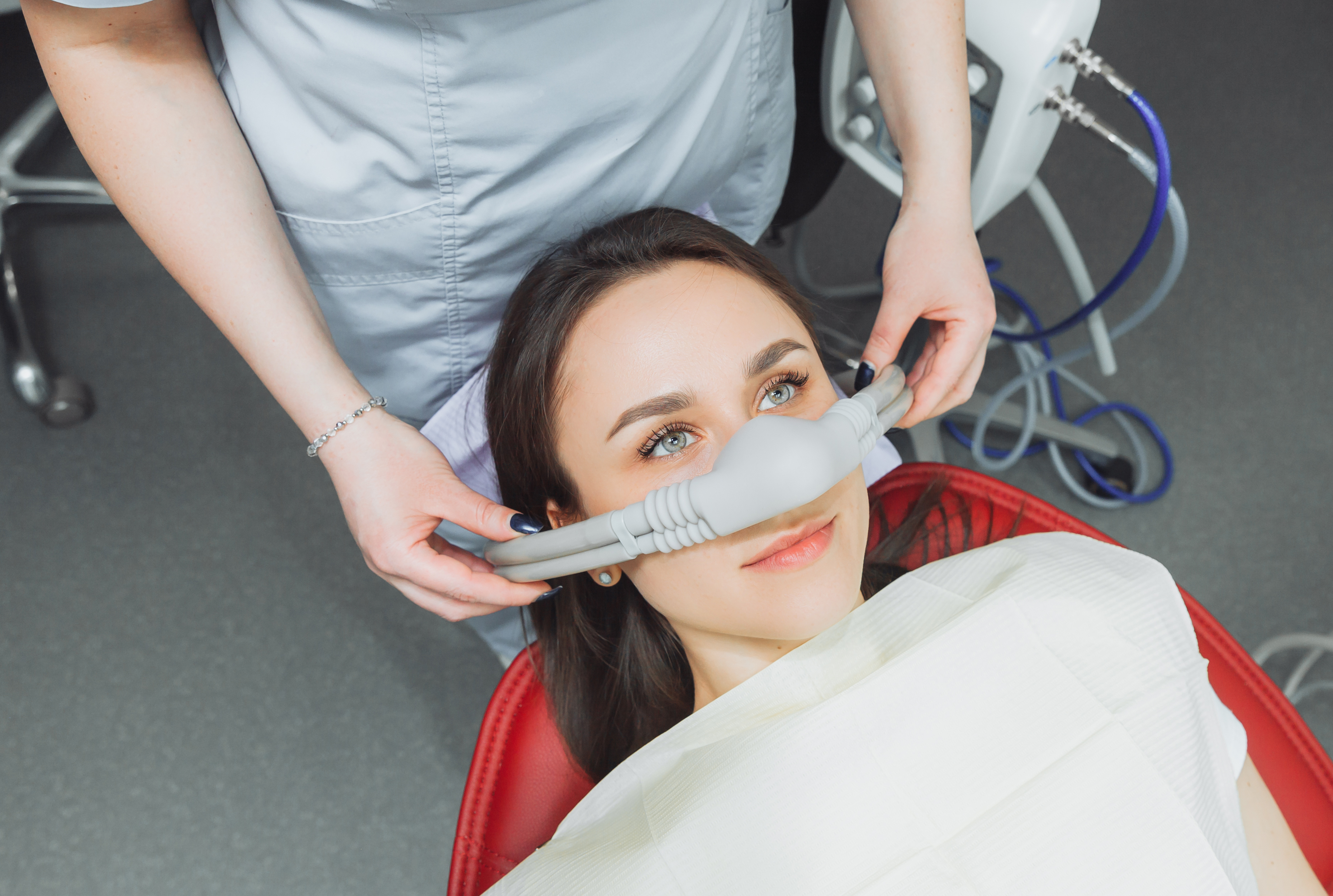
Nitrous oxide

Laughing gas. Fastest acting, shortest recovery, and in most cases you can drive yourself home afterwards.

Deeper

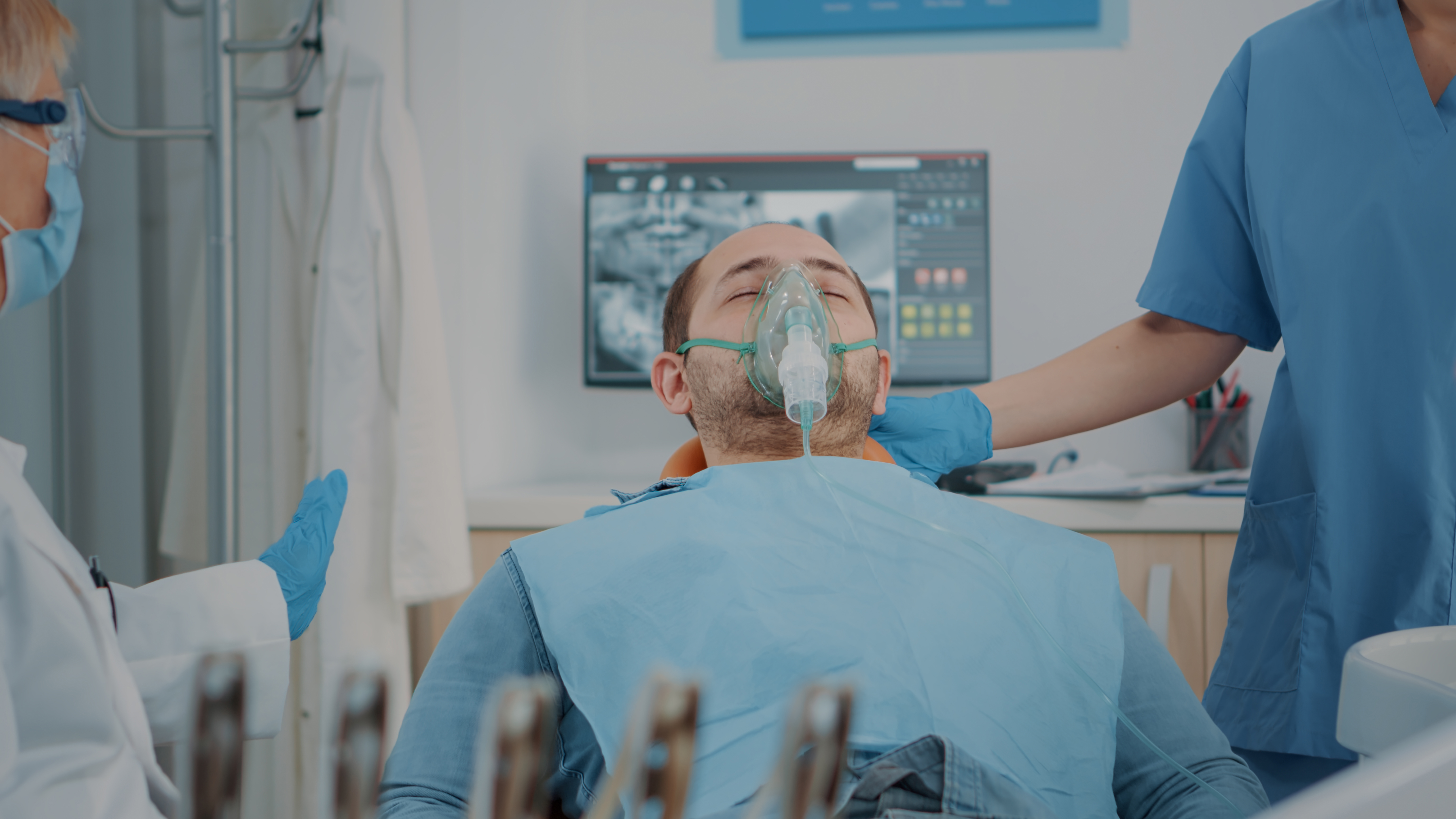
Oral sedation

Taken before the appointment, under the supervision of a medical anaesthesiologist. Transport both ways needs arranging in advance.
Strongest

IV sedation

For severe dental anxiety and long surgical cases. Most patients have no memory of the appointment at all. Transport both ways is required.

One sitting

The whole case in a single visit, not split across five.
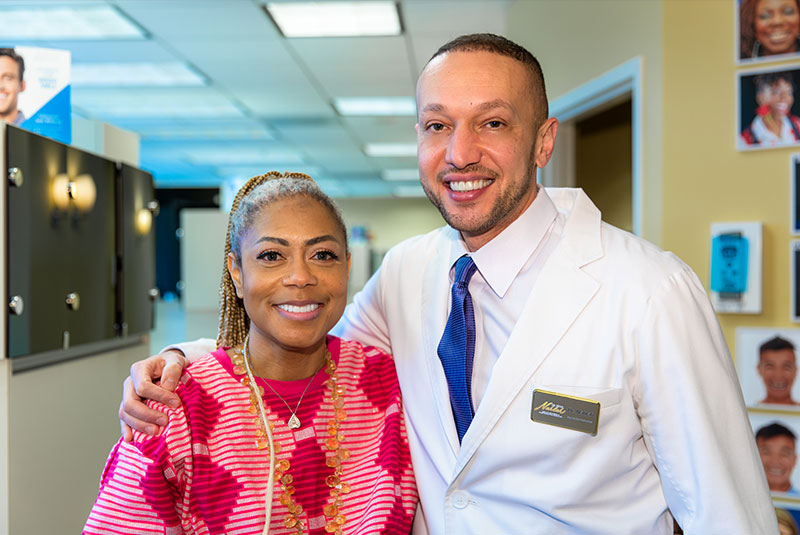
Dr. Nahlah with a patient at the practice
Why It Is Safe Here

Sedation is a credential, not a service line.

Plenty of practices refer sedation out. Dr. Nahlah holds an IV Sedation Certificate, is a BLS & ACLS provider, and works with a medical anaesthesiologist for oral and IV cases, so the person watching you is not the same person doing the surgery.

See the full credential list

Questions

What people want to know.

Will I be unconscious?
Not in the general-anaesthetic sense. Under IV sedation most patients drift and have no memory of the procedure afterwards; you remain responsive throughout. Nitrous is lighter still: you stay awake and simply stop minding.
Can I drive myself home?
After nitrous oxide, in most cases yes. After oral or IV sedation, no: transport to and from the appointment has to be arranged in advance.
Is sedation only for surgery?
No. It is available for any procedure. If anxiety or a gag reflex is what has kept you away from routine care, say so when you book.
Who administers it?
Oral and IV sedation are administered by a medical anaesthesiologist, depending on the extent of treatment and your personal health.

Say you’re nervous when you call.

It changes how the appointment is planned.